Free forex trading course, from your first pip to a full trading plan
30 short, illustrated lessons in 5 chapters, ordered from complete beginner to advanced. No sign-up, no paywall, and the free Tracom app to practise every lesson.
- 30 lessons
- 5 chapters
- About 90 minutes of reading
- Free, no account needed


Forex Foundations
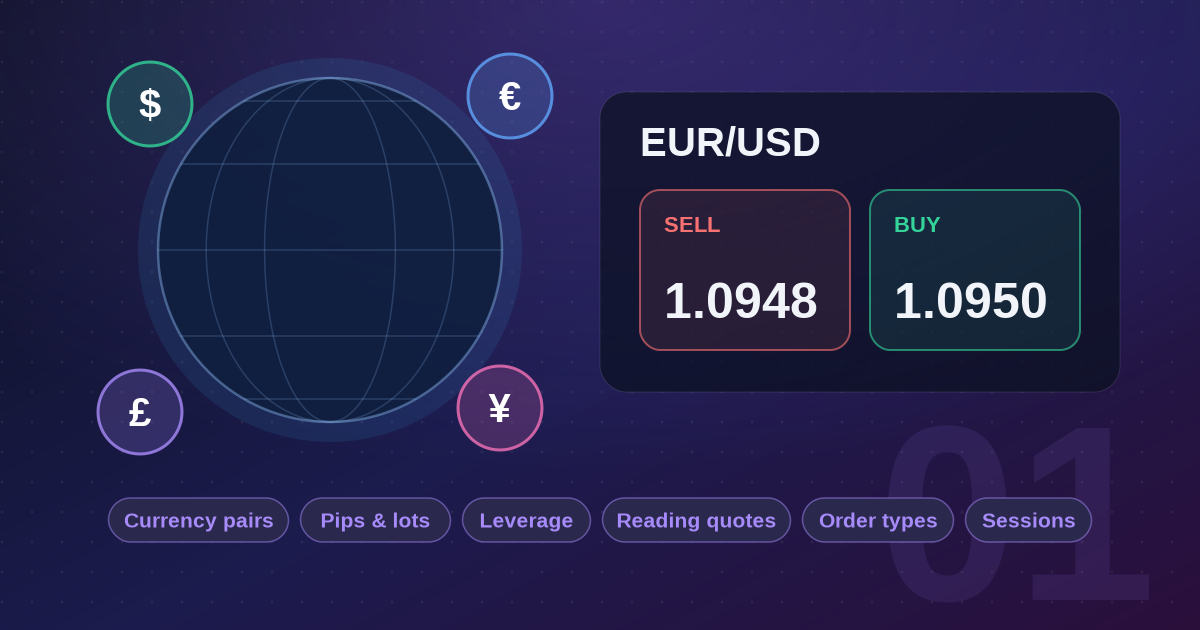
How the currency market works before you place a trade: what forex is, how pairs are quoted, what pips, lots and leverage mean, the orders you can use, and who trades when.
-
 Done
What is Forex?
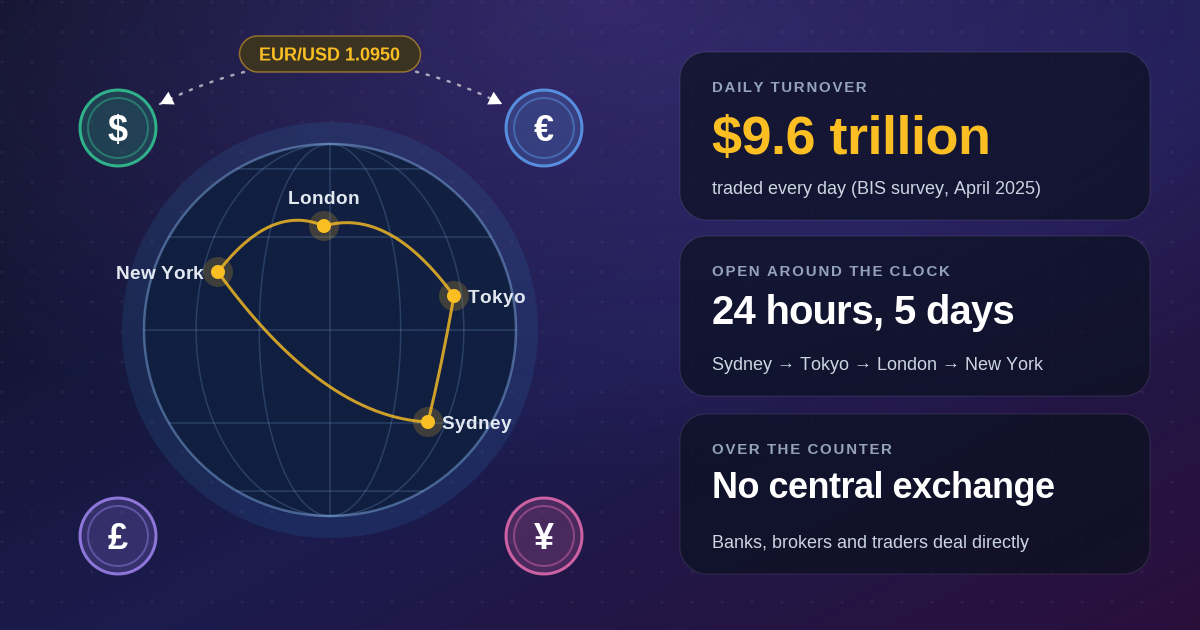
What the forex market is, how $9.6 trillion changes hands every day, who trades it, and why it is the most accessible financial market for retail traders.
-
 Done
Currency Pairs, Majors & Minors
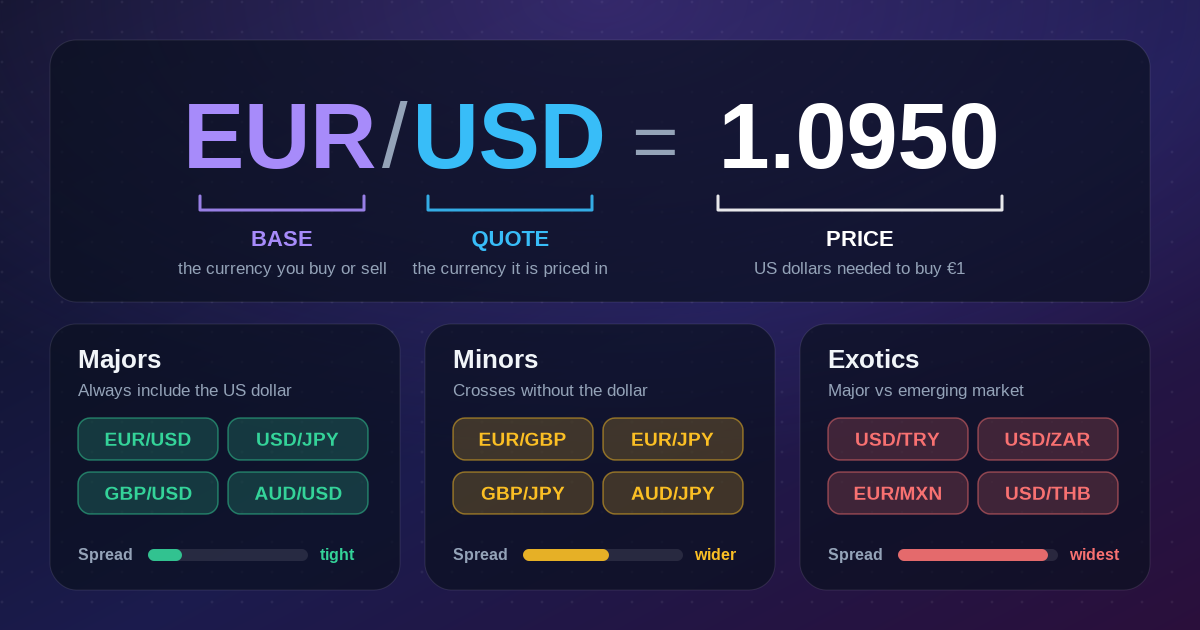
Major, minor and exotic currency pairs explained: base and quote currencies, how spreads differ between them, and which pairs suit beginners best.
-
 Done
Lots, Leverage & Pips
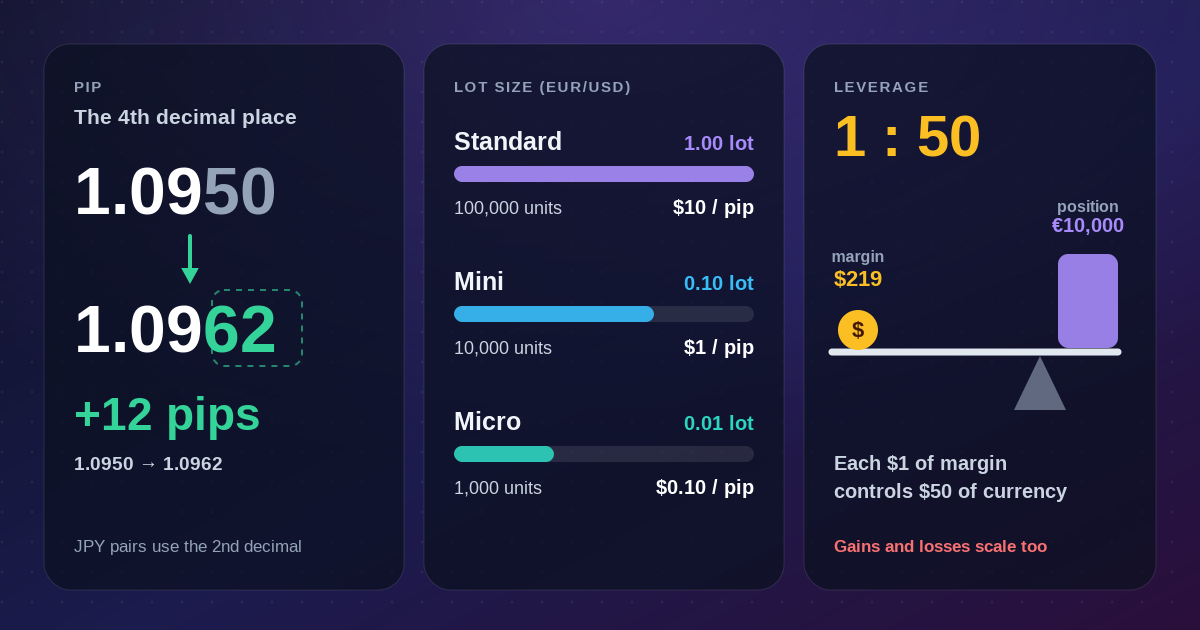
What pips, lots and leverage mean, how much a pip is worth on each lot size, and how margin works, so you can size every trade before you place it.
-
 Done
How to Read a Quote
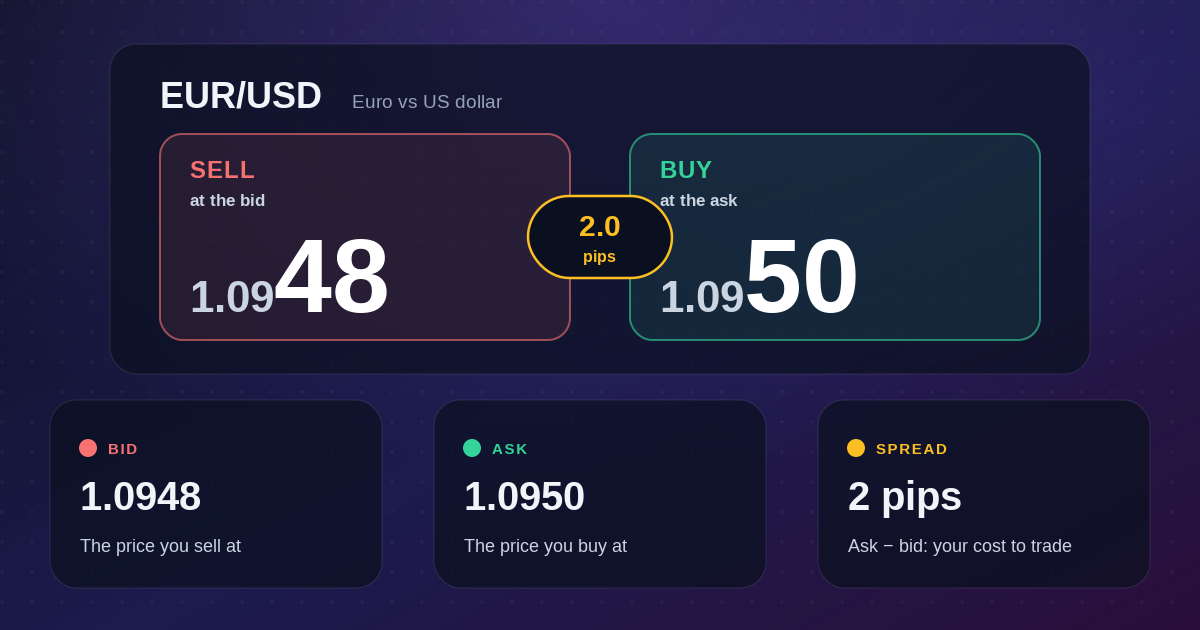
How to read a forex quote: what the bid and ask prices mean, how the spread is calculated, and what a trade really costs before you click buy or sell.
-
 Done
Order Types
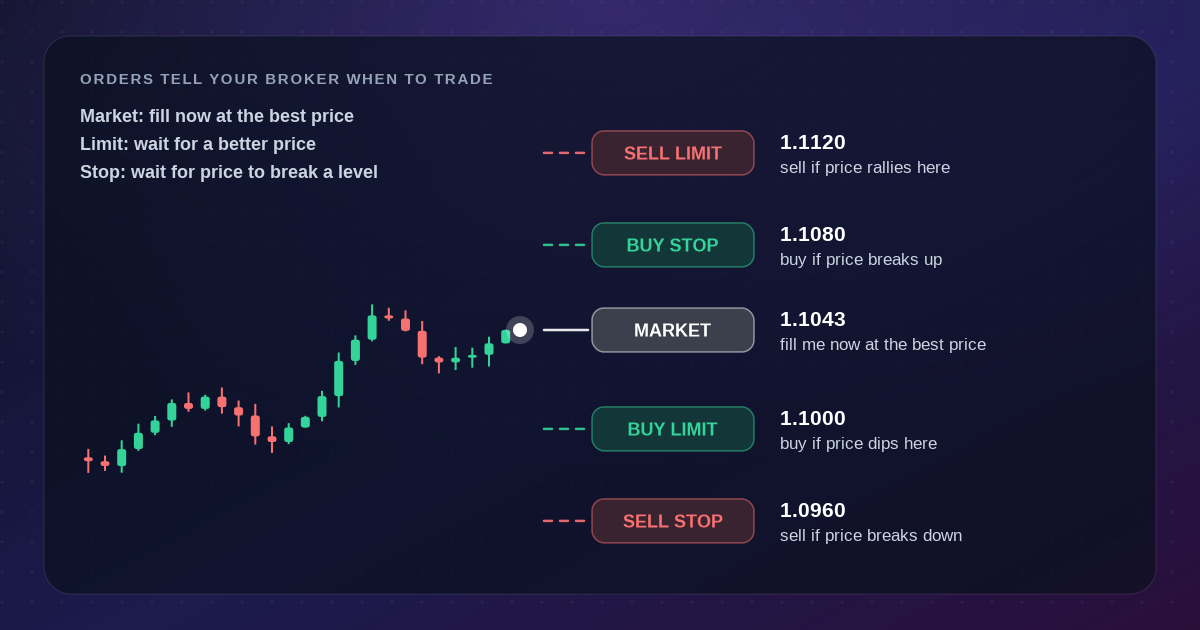
Market, limit, stop, stop-loss, take-profit, trailing stop and OCO orders explained, with examples of when to use each one to execute your plan precisely.
-
 Done
Market Participants & Sessions
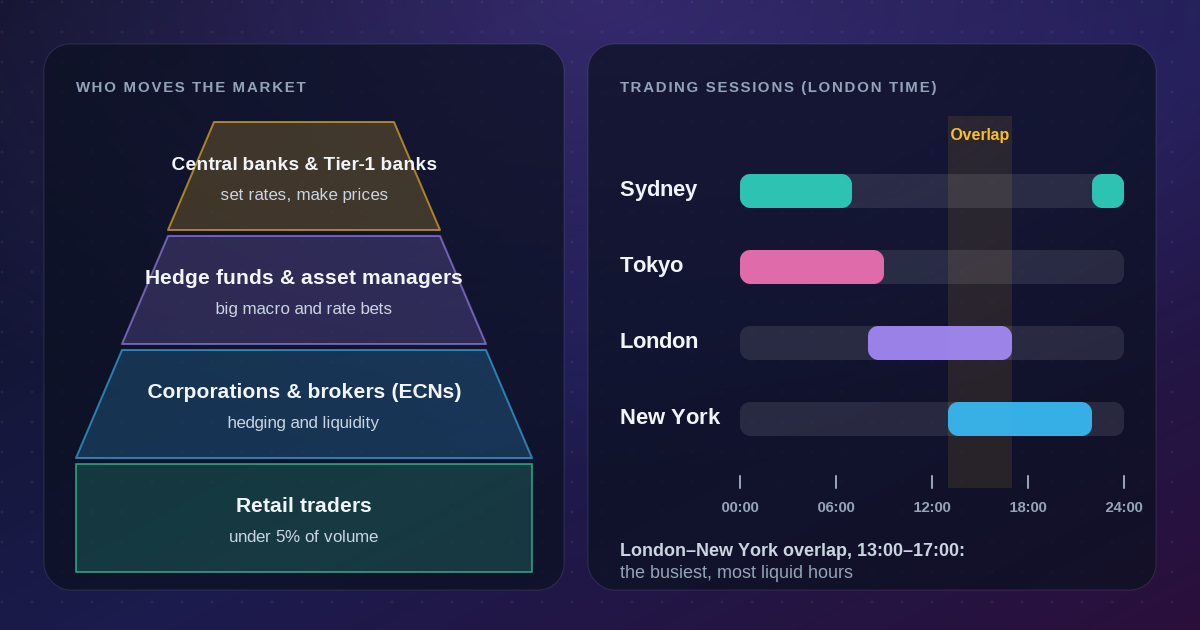
Who moves forex, from central banks and Tier-1 banks to hedge funds and retail traders, and when the Sydney, Tokyo, London and New York sessions trade.
Technical Toolbox
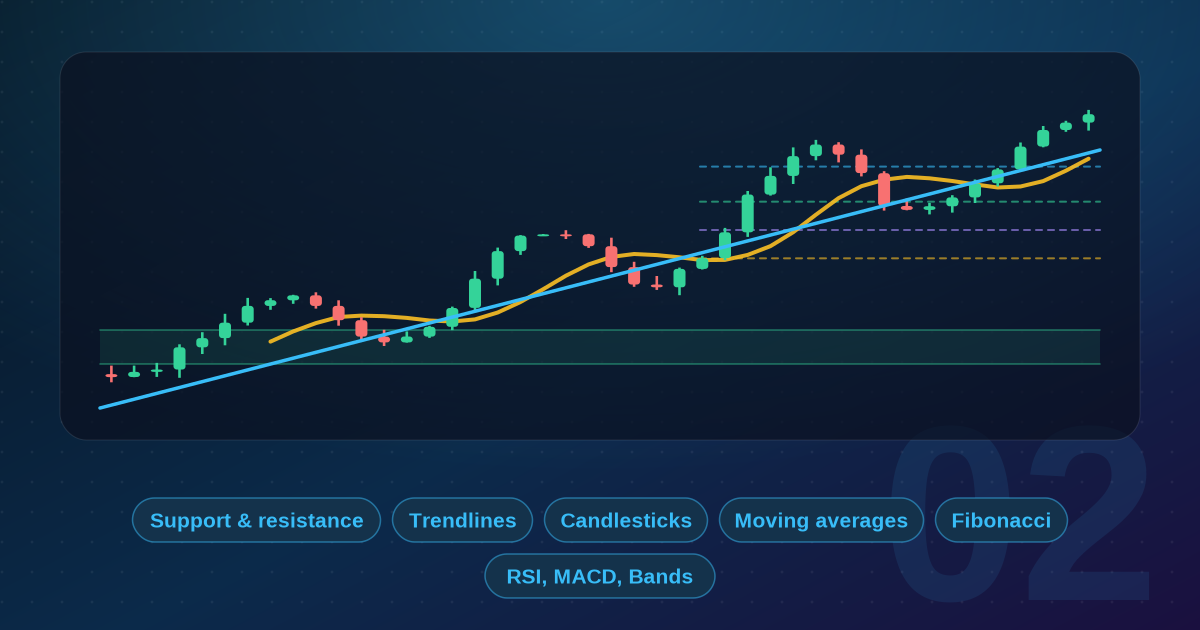
The chart-reading skills behind most trade setups: support and resistance, trendlines and channels, candlestick patterns, moving averages, Fibonacci retracements, and the RSI, MACD and Bollinger Bands.
-
 Done
Support & Resistance
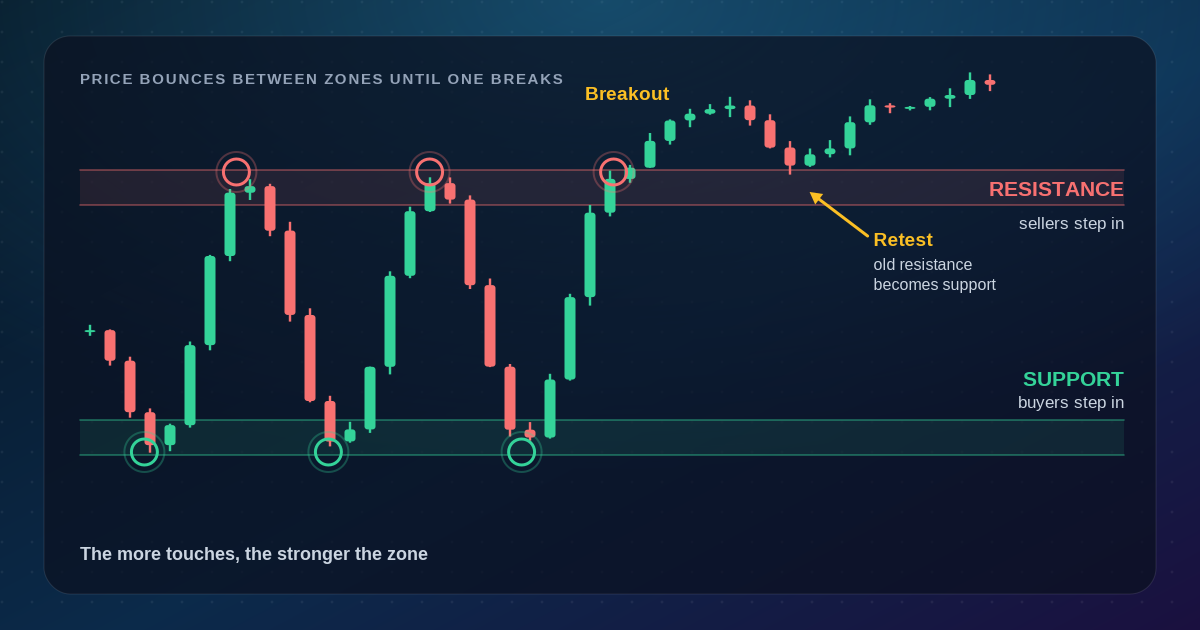
How to identify support and resistance zones on any chart, why price reacts there, and three ways to trade them: the bounce, the break and retest, and the false break.
-
 Done
Trendlines & Channels
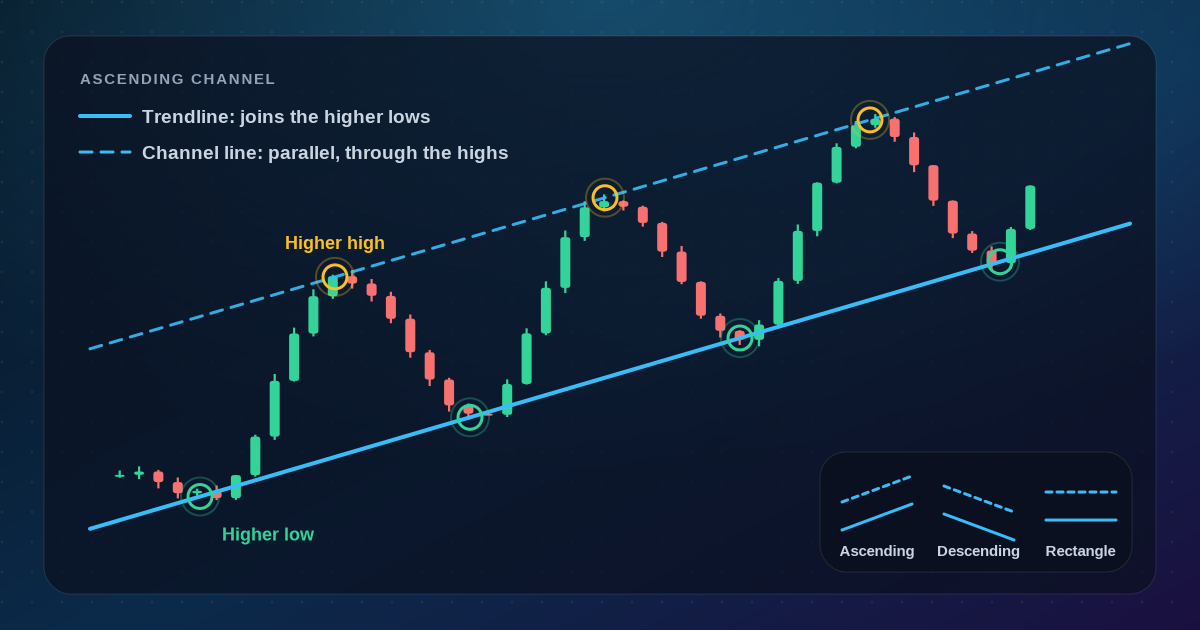
How to draw trendlines and price channels correctly, trade pullbacks with the trend, and avoid the common drawing mistakes that create false signals.
-
 Done
Candlestick Patterns
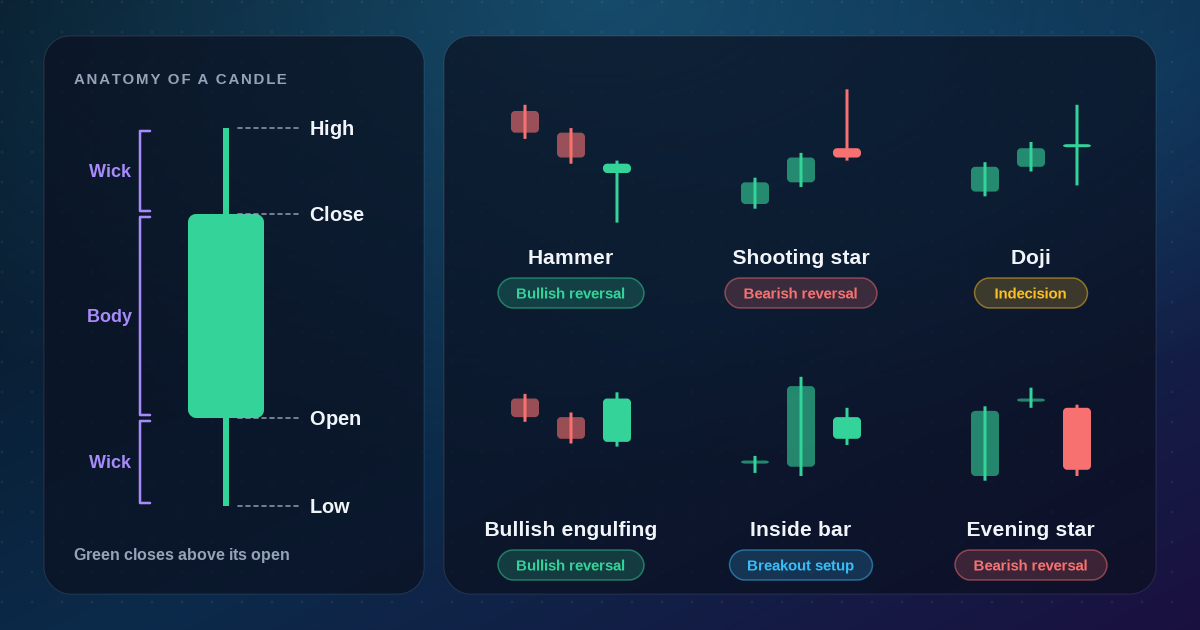
Read single and multi-candle patterns, including the hammer, shooting star, engulfing, doji, inside bar and morning and evening stars, to spot reversals and momentum.
-
 Done
Moving Averages
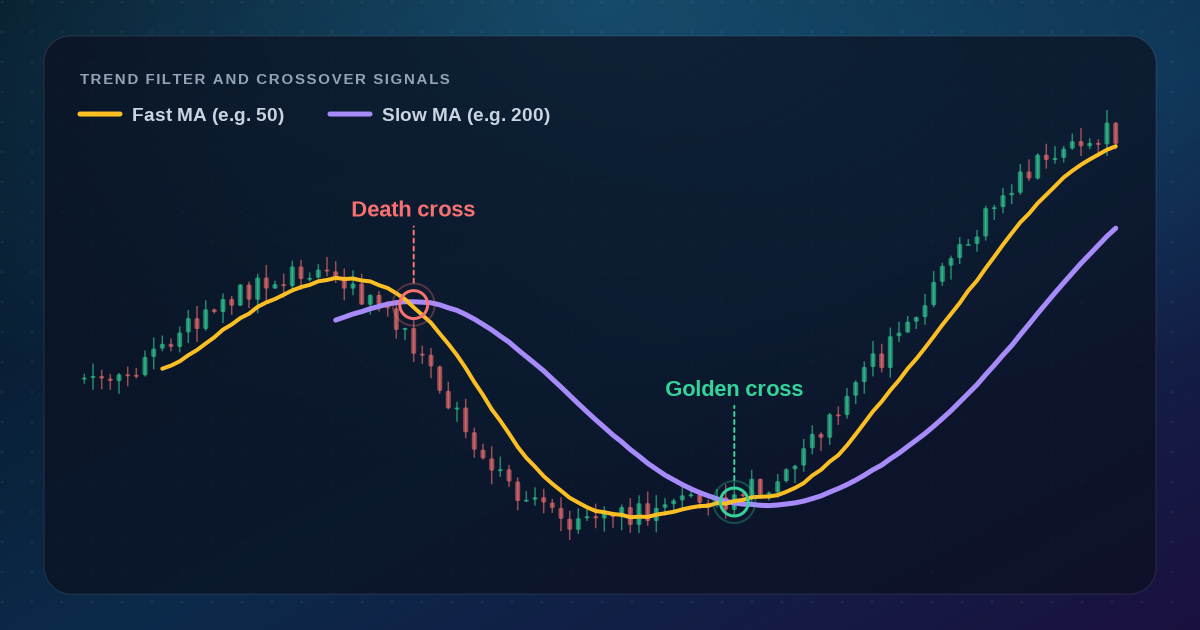
How SMAs and EMAs work, how to read trend direction and dynamic support from them, and what golden crosses, death crosses and EMA crossovers signal.
-
 Done
Fibonacci Retracement
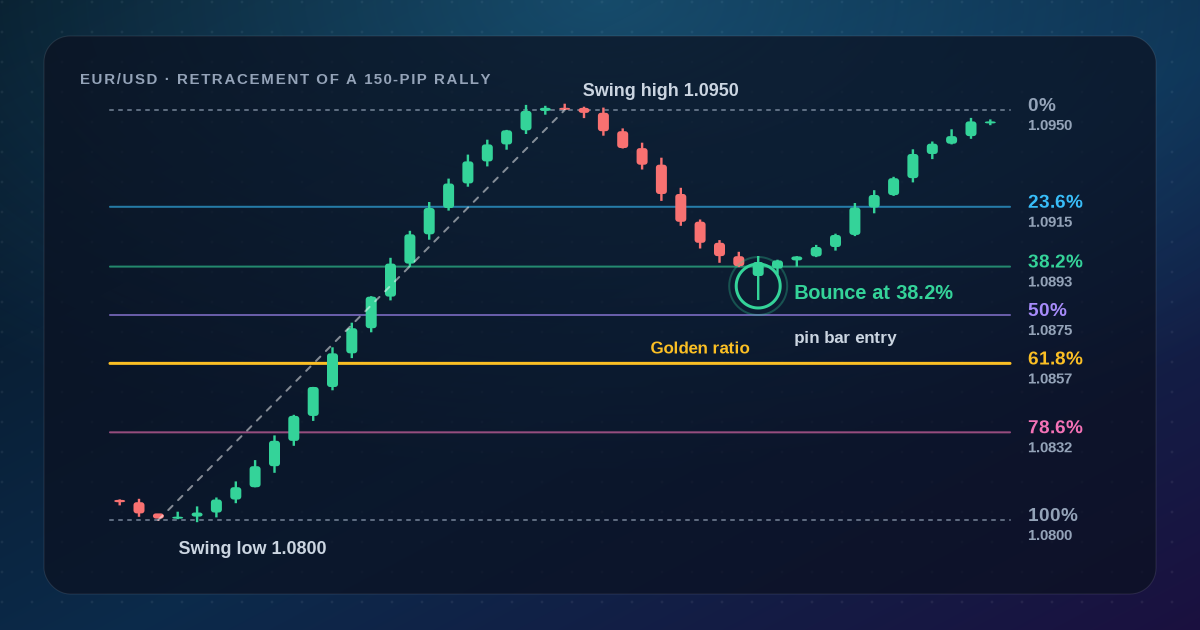
How to draw Fibonacci retracement and extension levels, what the 38.2%, 50%, 61.8% and 78.6% levels mean, and how to combine them with structure for entries and targets.
-
 Done
Key Indicators (RSI, MACD, BB)
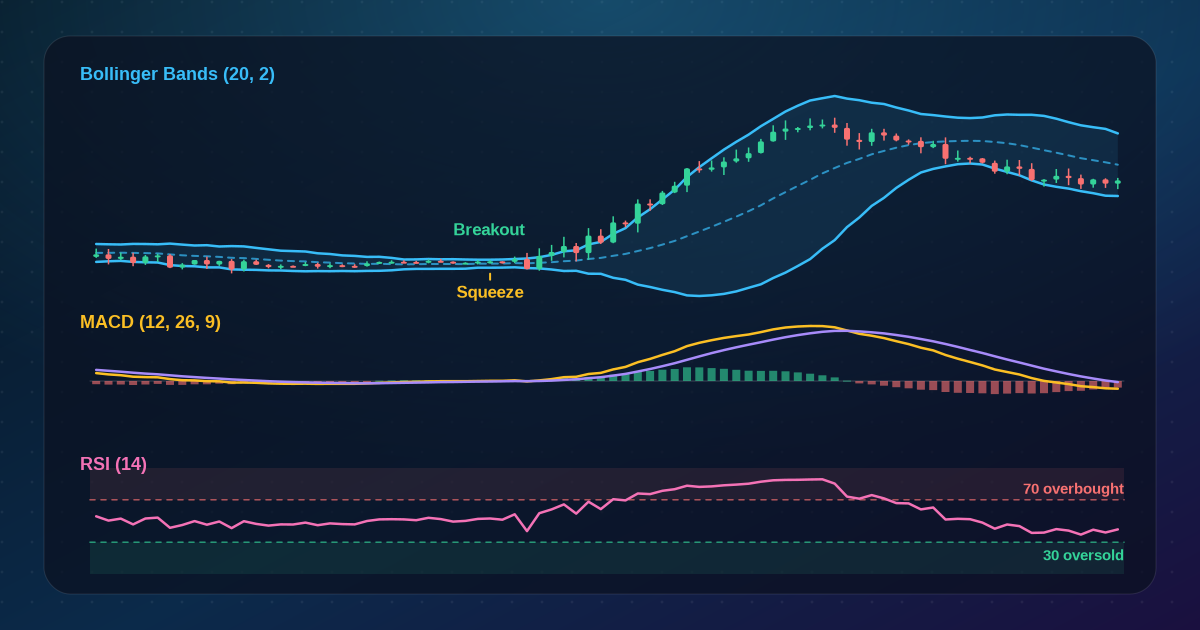
How the RSI, MACD and Bollinger Bands work, what each tells you about momentum, trend and volatility, and how to avoid the false signals that catch beginners out.
Risk & Money Management
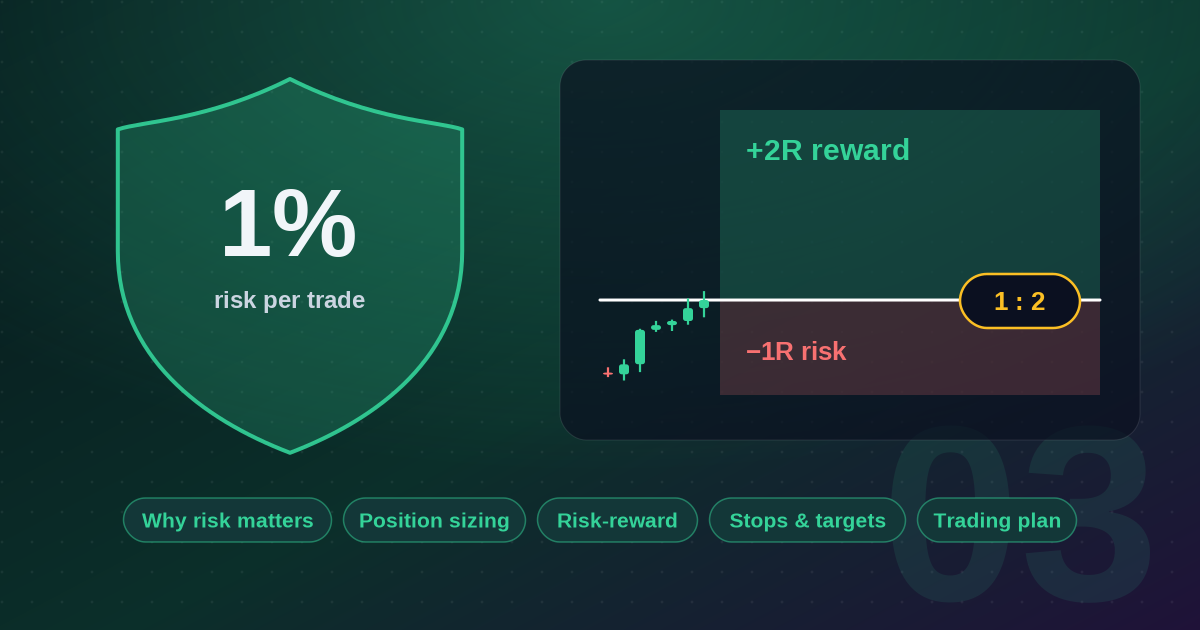
The rules that keep you trading long enough to improve: why small losses matter, how to size every position from your stop, risk-reward, stop-loss and take-profit placement, and a written trading plan.
-
 Done
Why Risk Management Matters
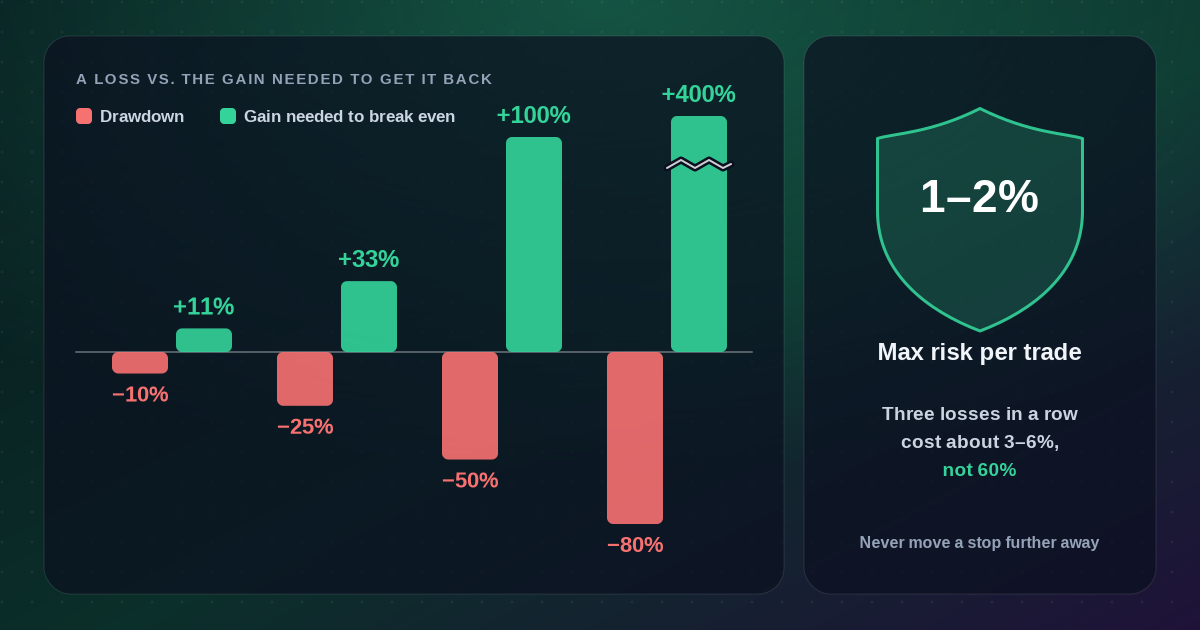
Why protecting capital beats chasing profits: drawdown maths, the 1–2% rule, risk-reward and the risk management framework that keeps you trading for the long term.
-
 Done
Position Sizing & Risk Per Trade
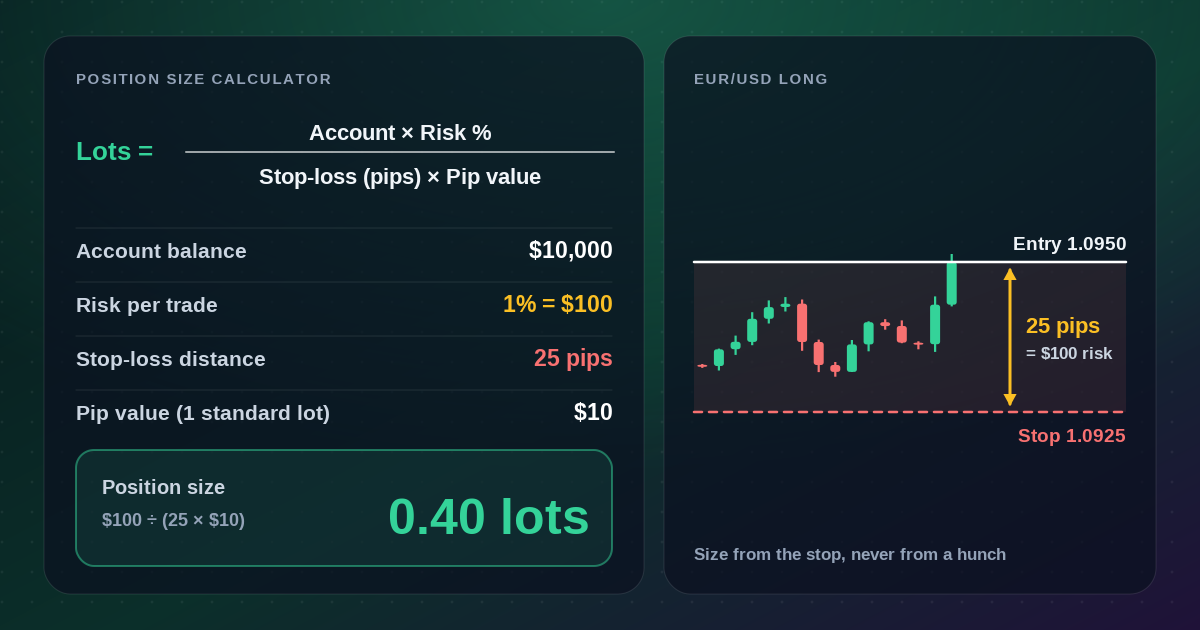
Calculate the right position size for every trade from your account balance, risk percentage and stop-loss distance, with worked examples and a quick reference table.
-
 Done
Risk‑Reward Ratio
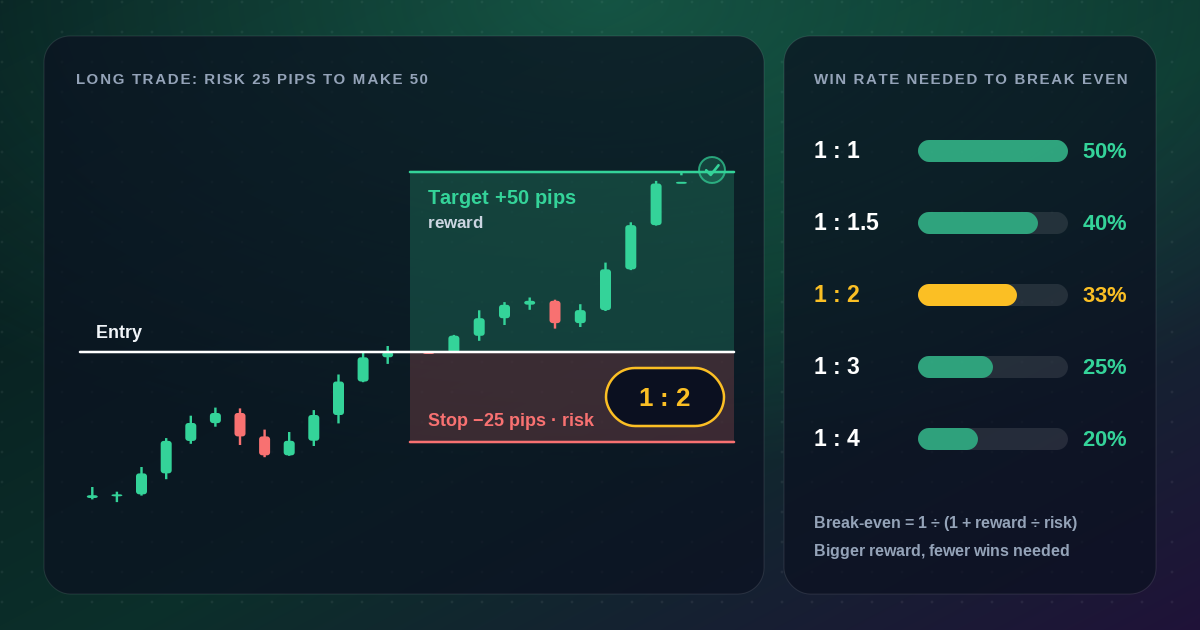
What the risk-reward ratio is, why a minimum of 1:2 lets you profit with a win rate below 50%, and how to plan stops and targets around it in real time.
-
 Done
Stop‑Loss & Take‑Profit
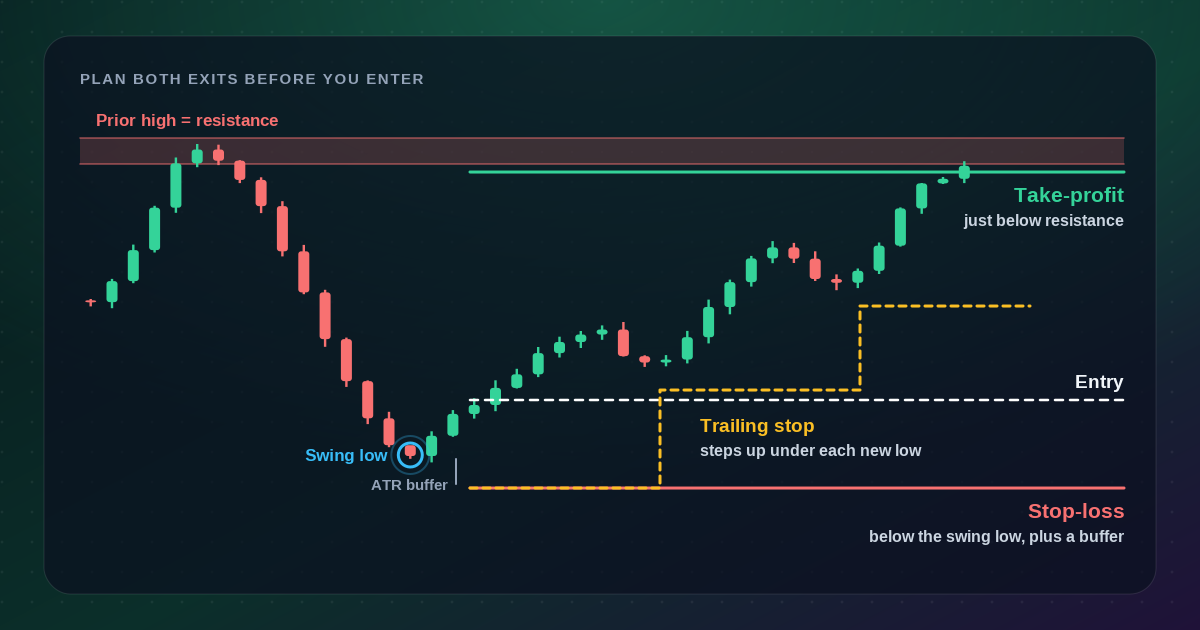
How to place stop-loss and take-profit orders using market structure, ATR and key levels, plus trailing stops, breakeven moves and the mistakes to avoid.
-
 Done
Building a Trading Plan
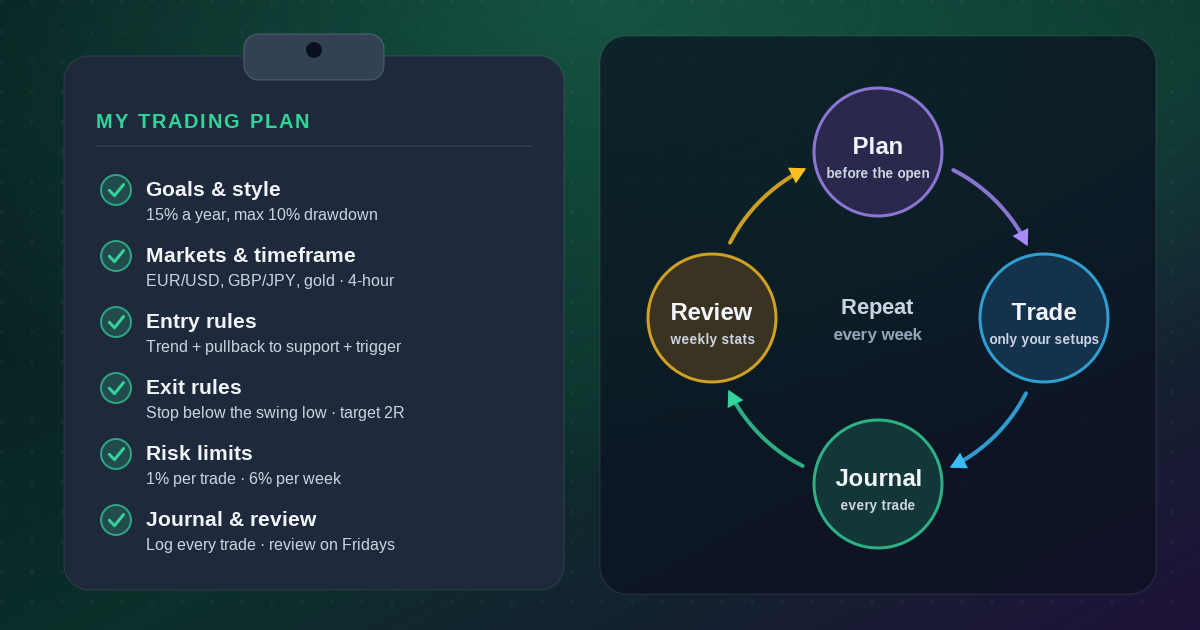
Build a complete trading plan covering goals, markets, entry and exit rules, risk limits, a daily checklist and a review routine, with a copy-and-paste plan template.
Strategy & Psychology
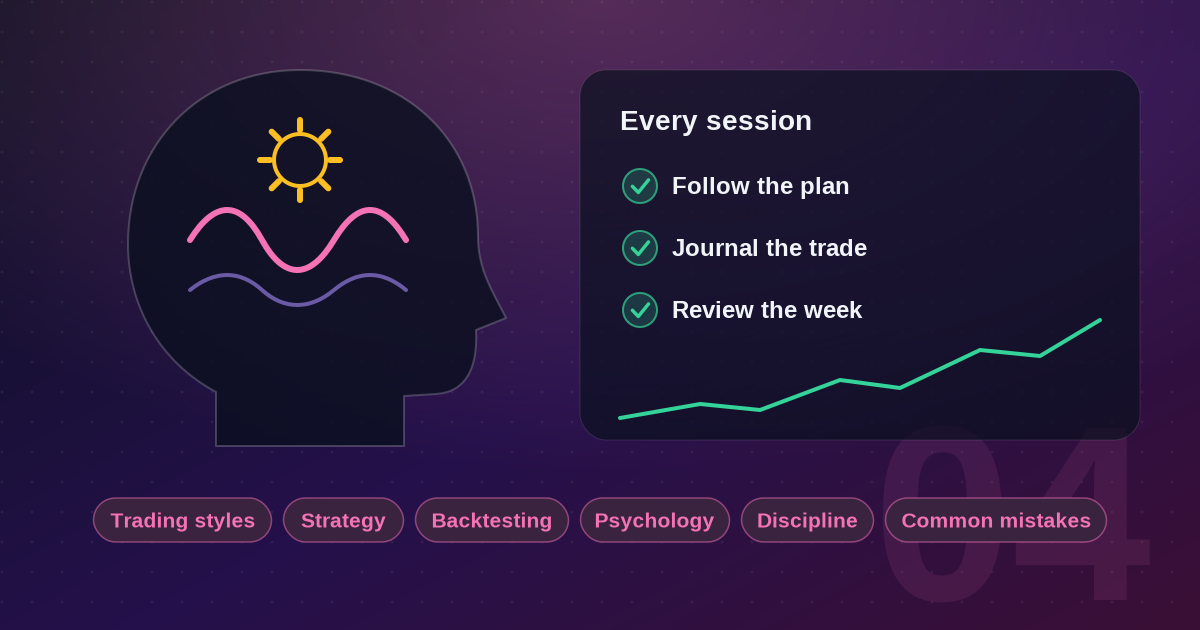
Turning knowledge into a repeatable process: choosing a trading style, building and backtesting a strategy, journaling, and handling the fear, greed and habits that decide results.
-
 Done
Trading Styles
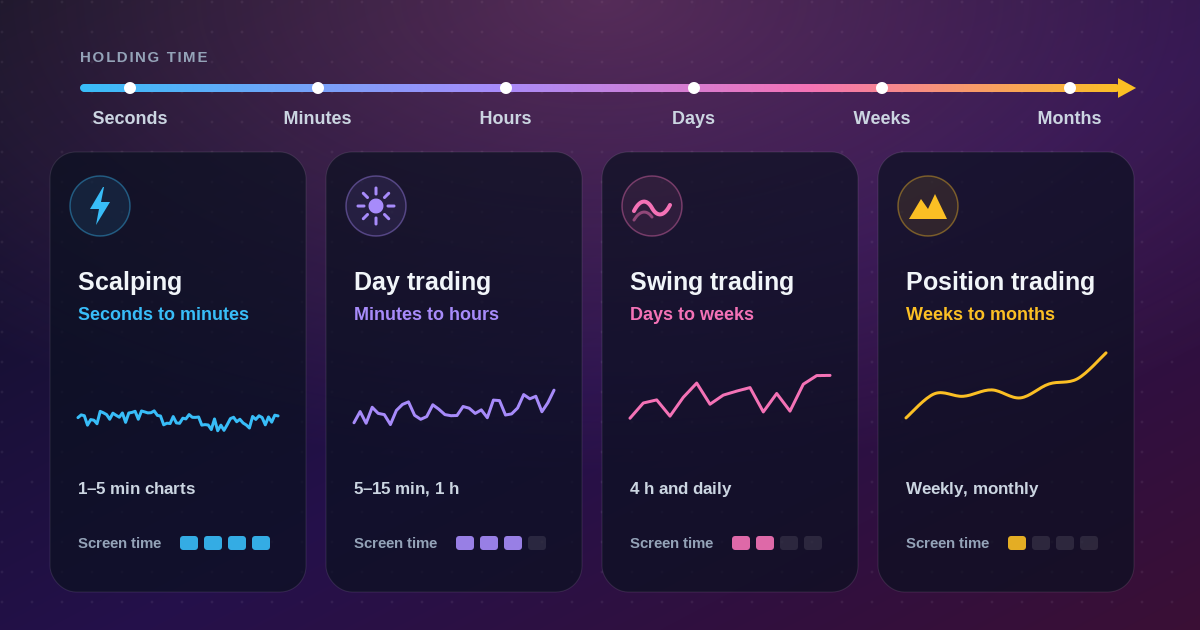
Compare scalping, day trading, swing trading and position trading by holding time, chart timeframe and screen time to find the style that fits your schedule and personality.
-
 Done
Developing a Strategy
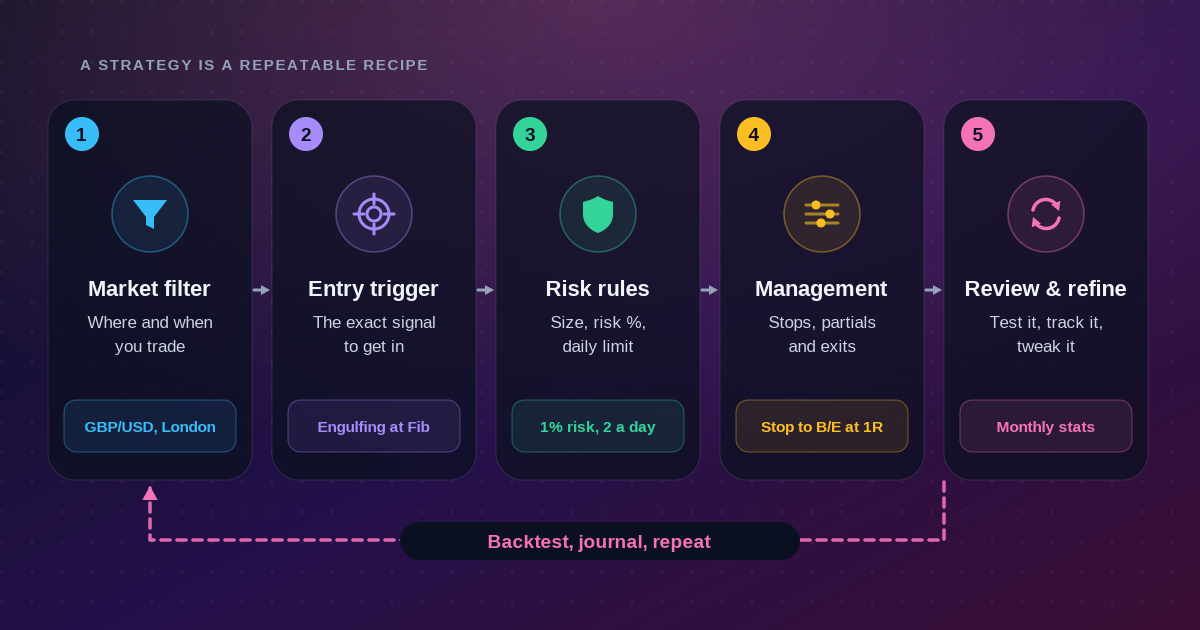
Build a trading strategy from scratch: a market filter, an entry trigger, risk rules and trade management, then test and refine it, with a sample playbook.
-
 Done
Backtesting & Journaling
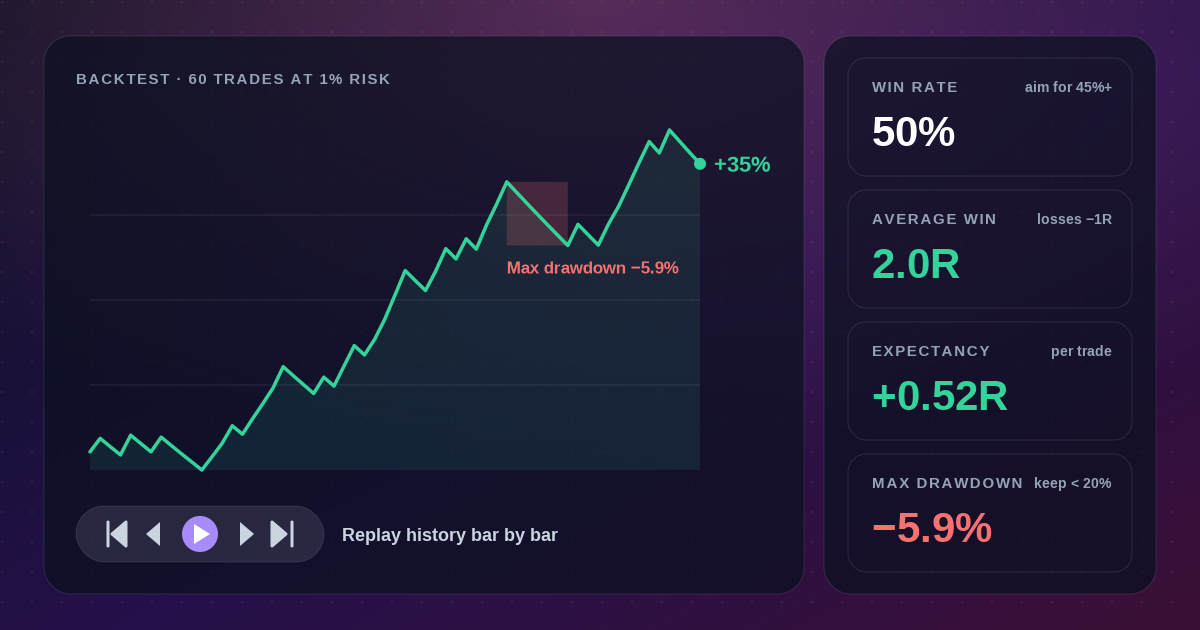
Backtest your strategy on historical data, manually or with code, and keep a trading journal that tracks win rate, R-multiples, expectancy and drawdown.
-
 Done
Psychology & Emotions
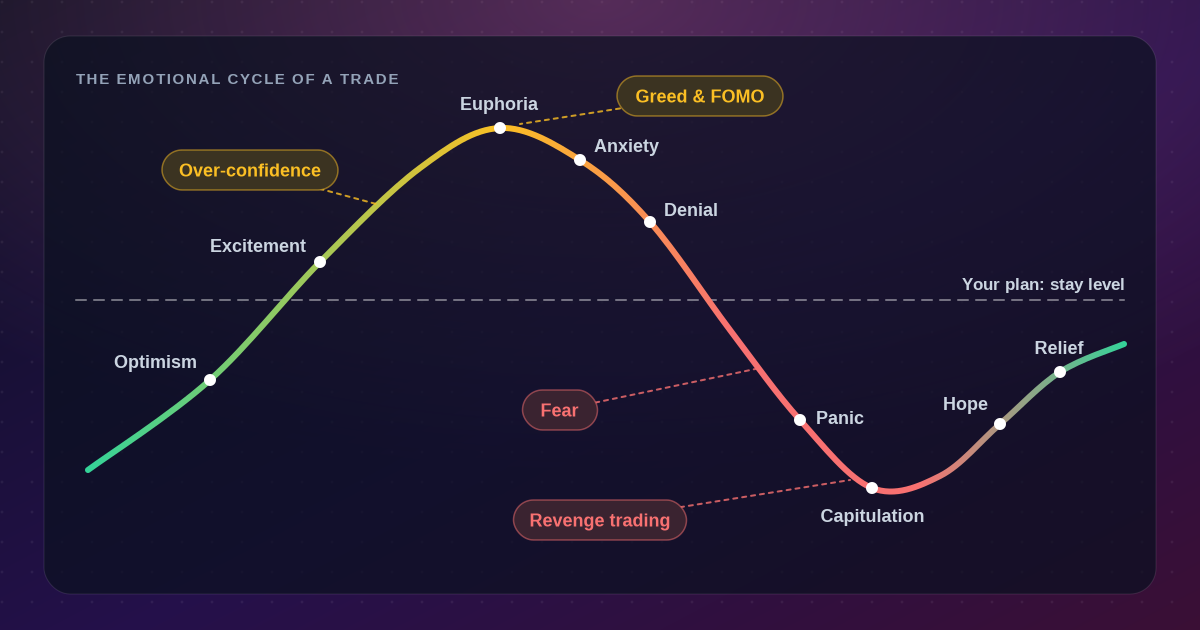
How fear, greed, FOMO, revenge trading and over-confidence sabotage trades, and the practical tools, from checklists to risk caps, that keep you disciplined under pressure.
-
 Done
Discipline & Consistency
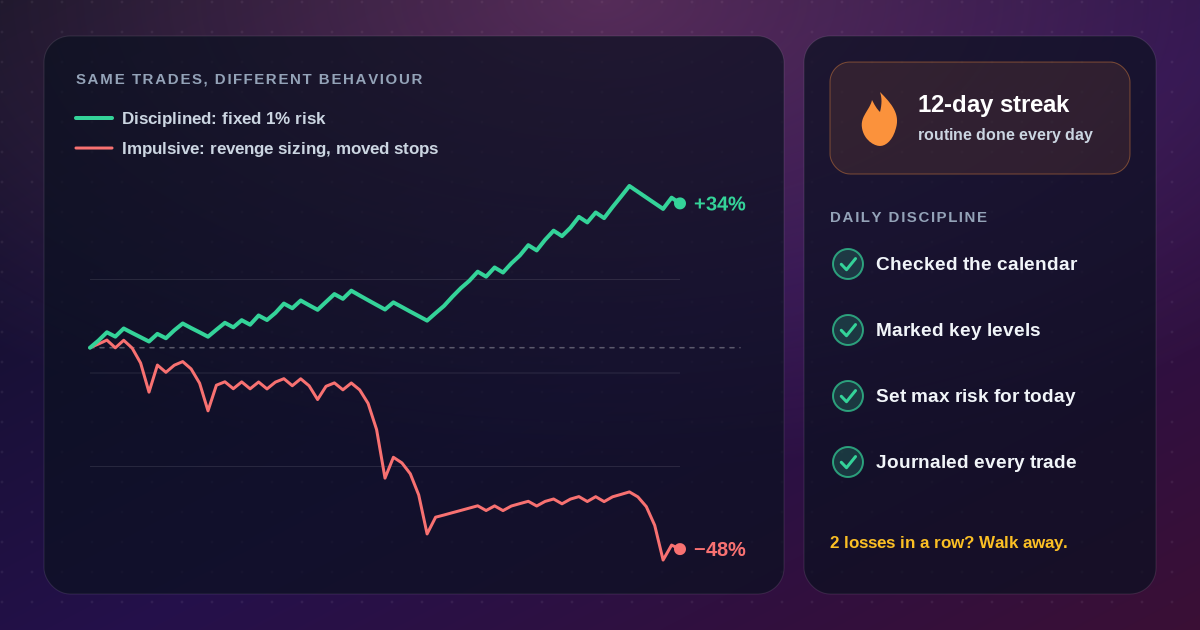
The habits, routines and accountability that separate consistent traders from impulsive ones: following the plan, a daily routine and walk-away rules.
-
 Done
Common Mistakes
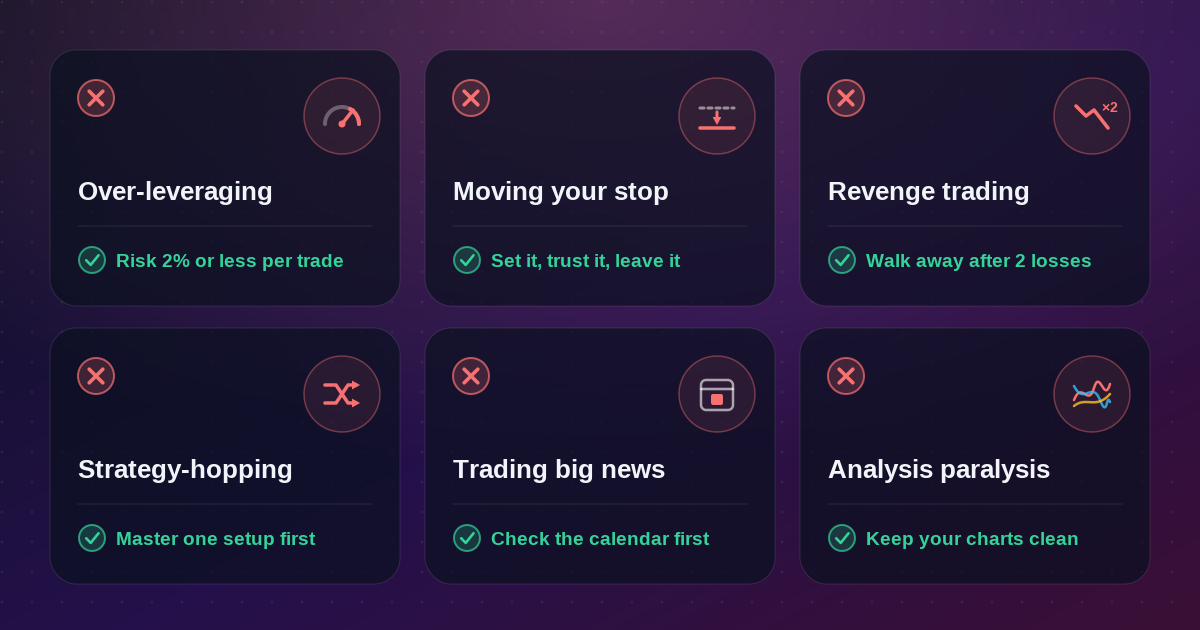
The most expensive mistakes new forex traders make, from over-leveraging and moving stops to revenge trading and trading big news, and the simple rules that prevent each one.
Advanced Topics
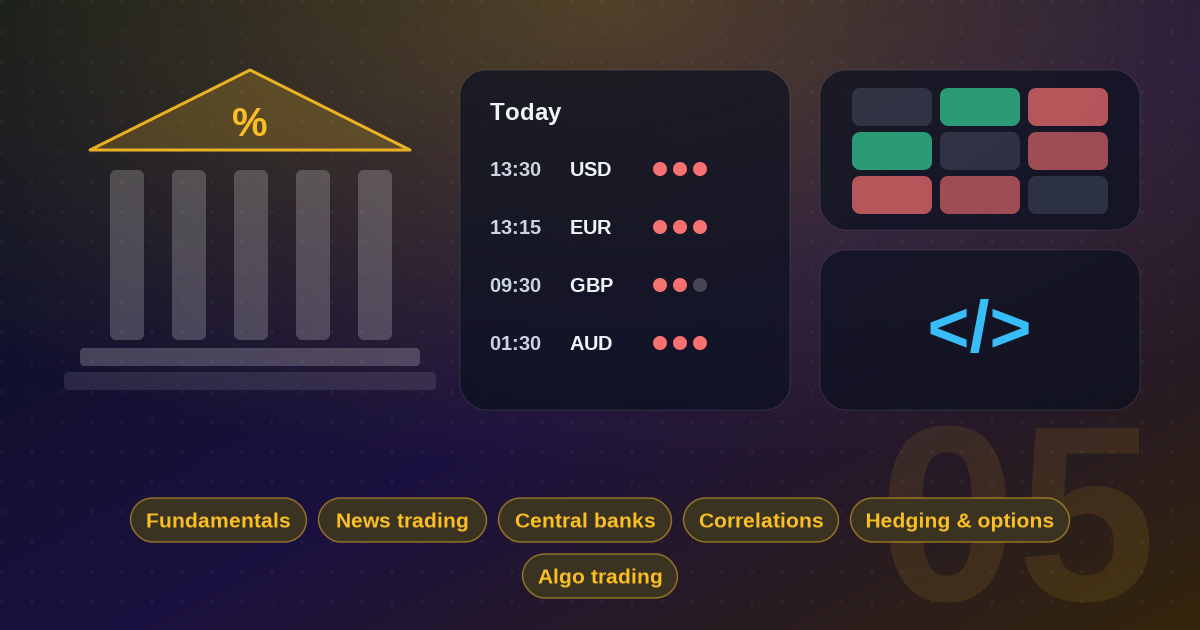
The bigger picture behind price: fundamentals and economic news, central banks and interest rates, correlations between markets, hedging with options, an introduction to algorithmic trading, and how to keep learning.
-
 Done
Fundamental Analysis Basics
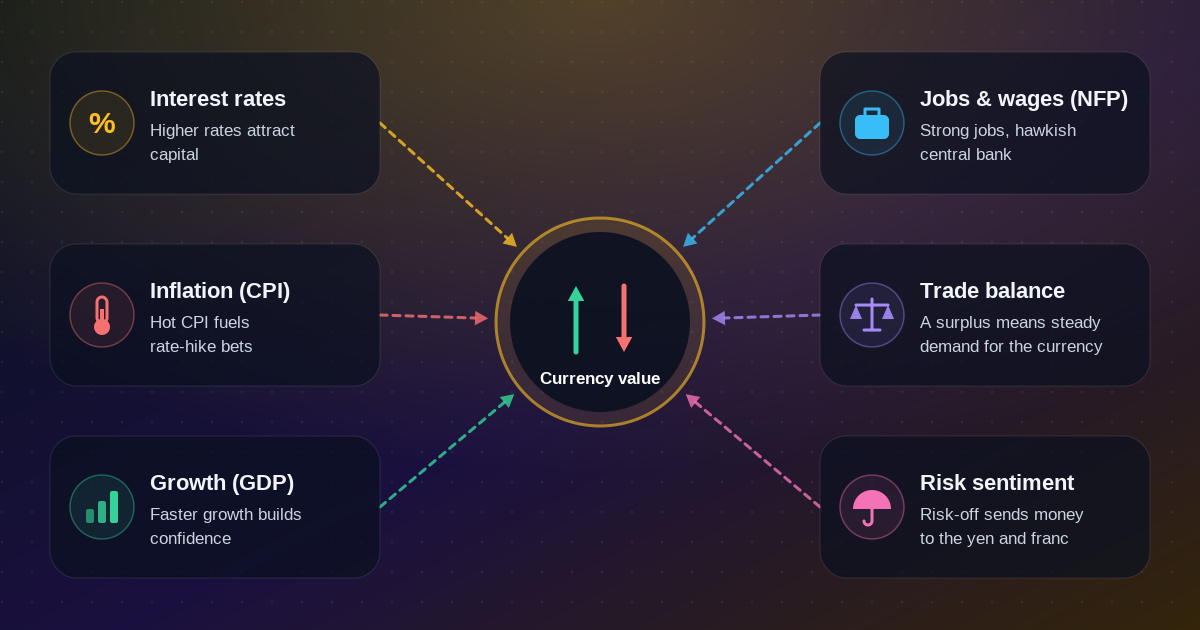
How interest rates, inflation, growth, jobs, trade balances and risk sentiment move currencies, and how to combine fundamentals with your technical analysis.
-
 Done
Economic Indicators & News
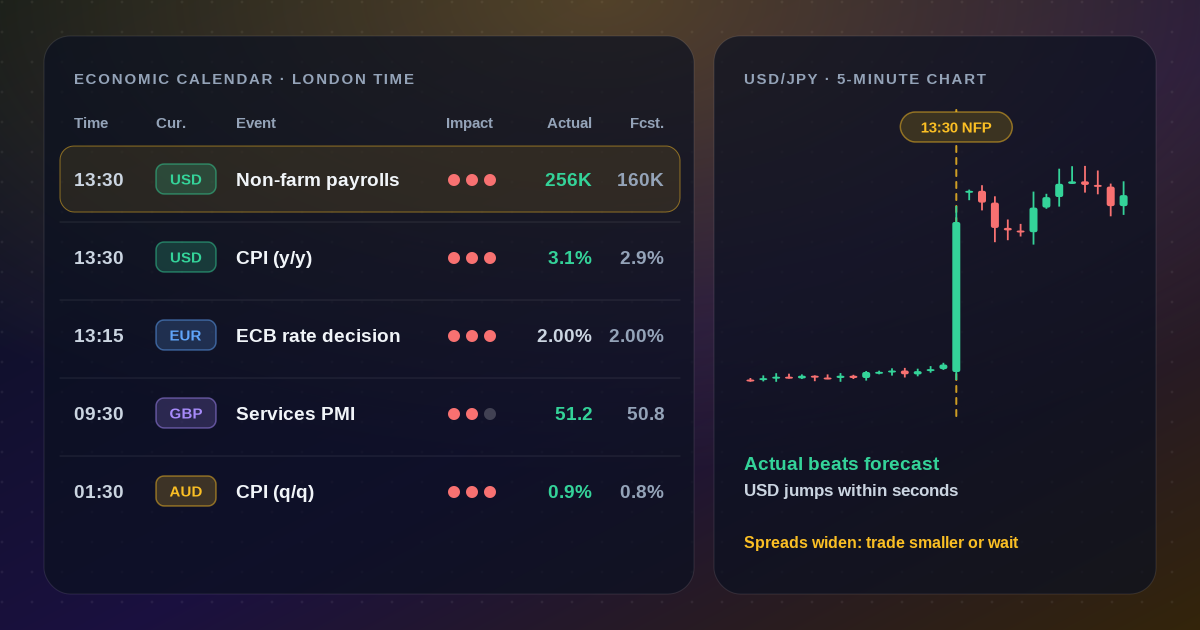
The economic releases that move forex, including non-farm payrolls, CPI, GDP, PMI and central bank decisions, and a step-by-step game plan for trading the news safely.
-
 Done
Central Banks & Monetary Policy
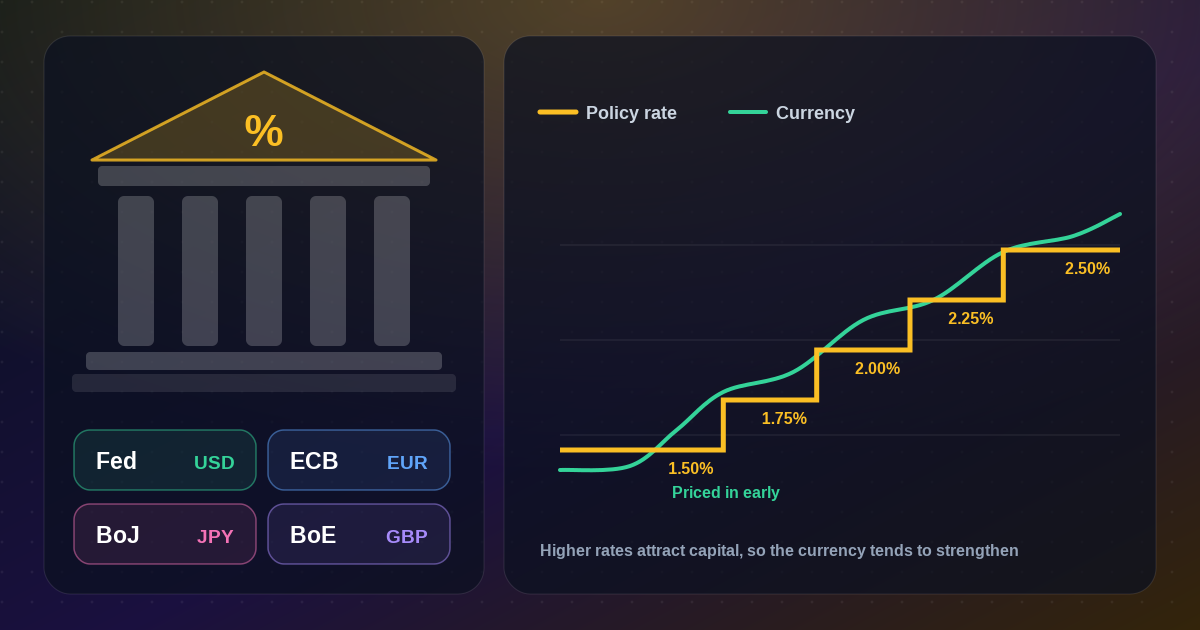
How the Fed, ECB, Bank of Japan and Bank of England set interest rates, why their decisions and forward guidance drive currency trends, and what traders watch at each meeting.
-
 Done
Correlations & Inter‑Market
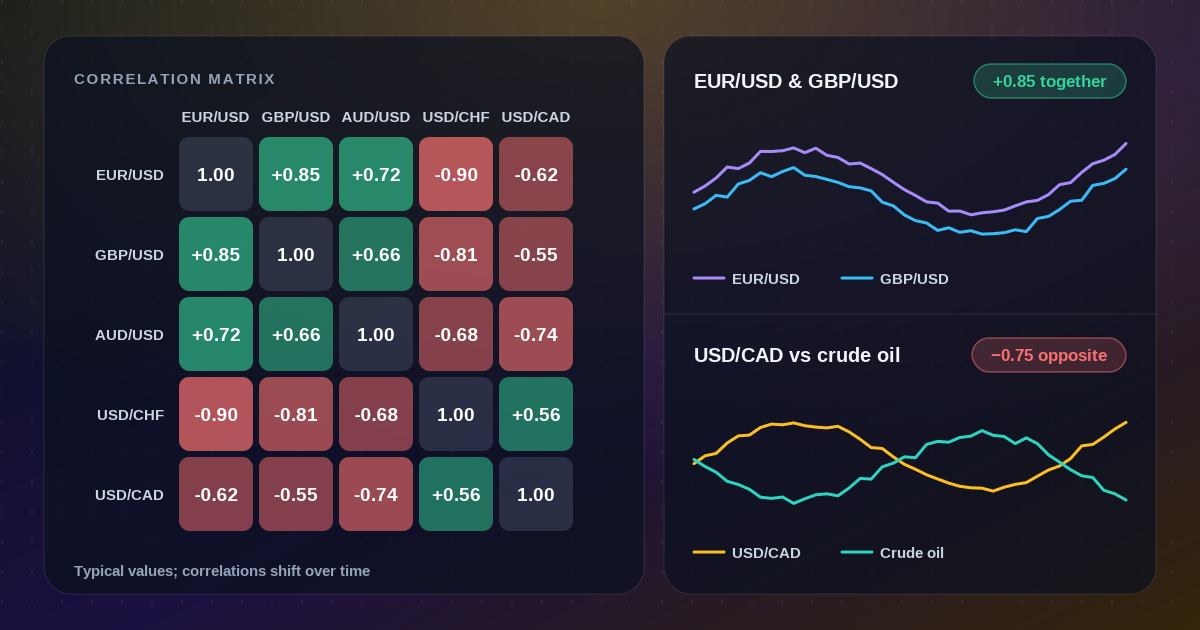
How currency correlations and inter-market links between pairs, gold, oil, bond yields and stocks help you avoid doubling your risk and find confirming signals.
-
 Done
Hedging & Options
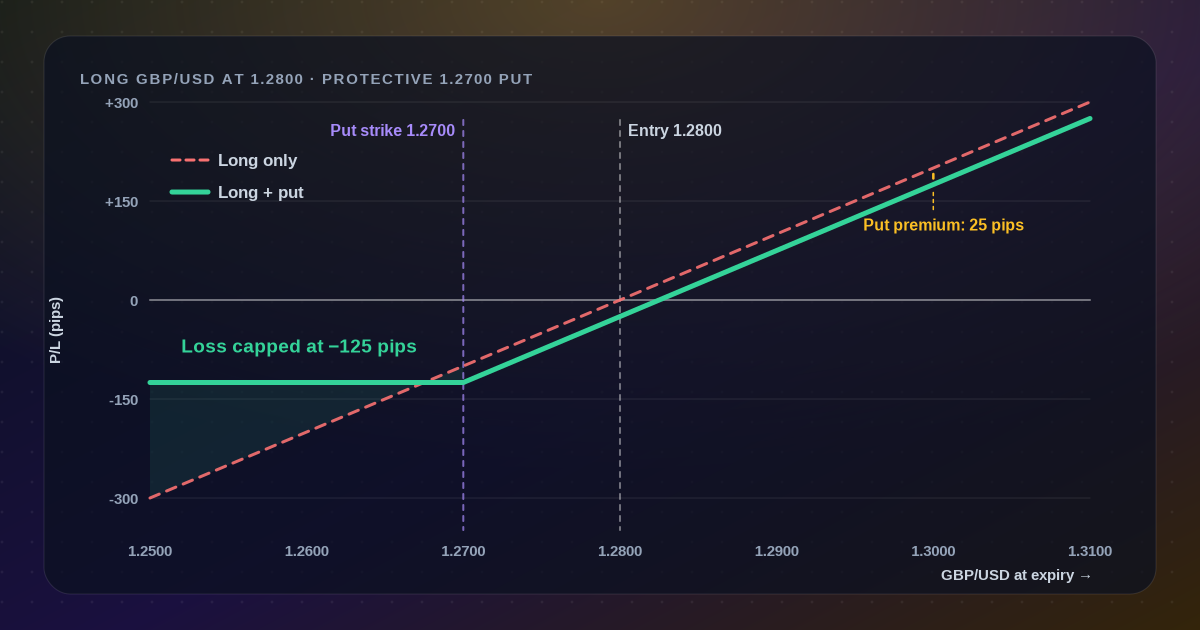
Hedging strategies and FX options basics: direct and correlation hedges, calls and puts, collars, risk reversals and straddles to protect open positions.
-
 Done
Intro to Algorithmic Trading
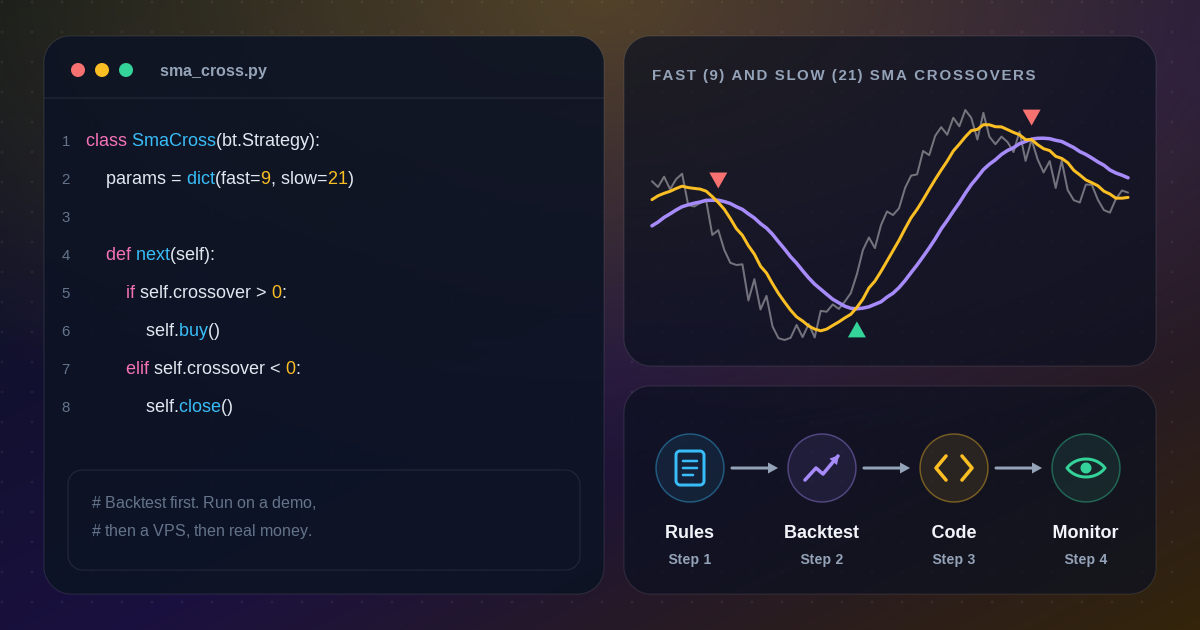
An introduction to algorithmic trading: turning a strategy into rules, backtesting it, coding a MetaTrader Expert Advisor or a Python bot, and monitoring it live.
-
 Done
Next Steps & Continuous Learning
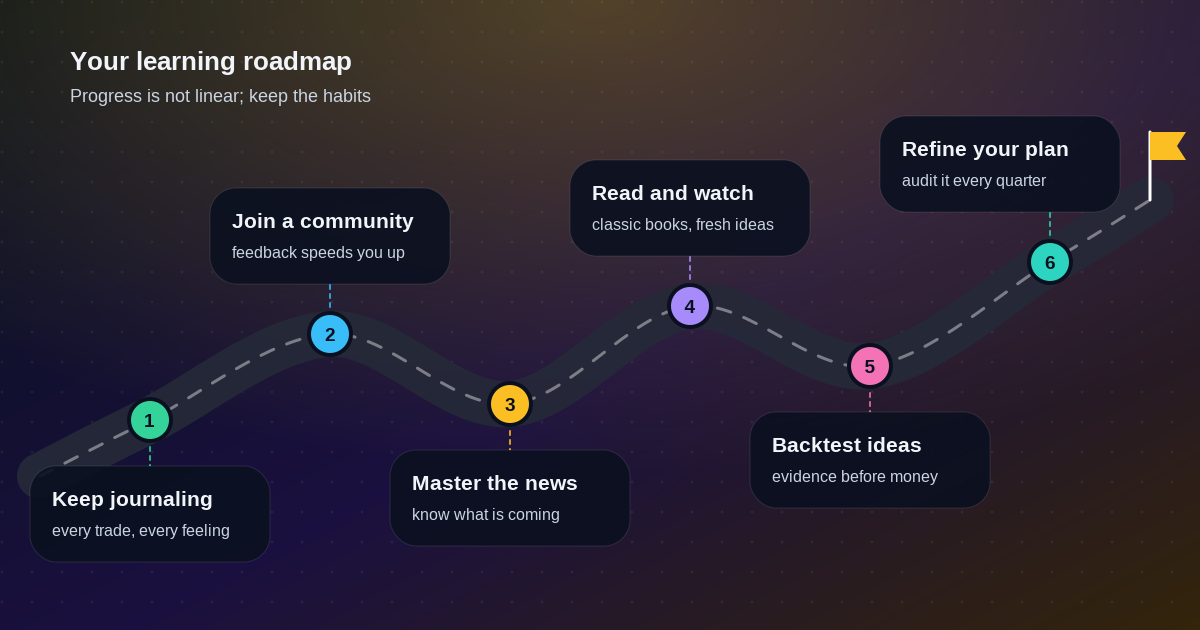
A practical roadmap for continuous improvement after the course: journaling, community, the news cycle, recommended books and tools, backtesting and refining your plan.
About the academy
Is the Tracom Forex Academy free?
Yes. All 30 lessons are free to read, with no account or sign-up. The Tracom app is free too, and lets you practise what you learn with a trade journal, a position size calculator and a public record of closed forex signals.
Who is the academy for?
Complete beginners and developing traders. It starts with what forex is and how a quote works, then moves through technical analysis, risk management, strategy and psychology to advanced topics such as central banks, correlations, options and algorithmic trading.
How long does the course take?
The 30 lessons across 5 chapters take about 90 minutes to read in total, and each lesson stands on its own, so you can study in short sessions.
Do I need to take the lessons in order?
The lessons build on each other, so beginners should start with Forex Foundations. If you already know the basics, jump straight to the chapter you need.
Is the academy financial advice?
No. The academy is general education about how markets and trading work. Trading forex with leverage carries a high risk of losing money, and nothing in these lessons is a recommendation to buy or sell.
Educational content, not financial advice. Trading with leverage carries a high risk of losing money. Lessons last updated .